ACL reconstruction rebuilds a torn ligament deep inside the knee using a graft, so the joint stays stable during pivoting and cutting. It is common after sports injuries. Recovery is gradual, often taking many months, and physical therapy is central to the result.
Ryan Simovitch performs acl reconstruction in West Palm Beach when it is the right step, and reviews every alternative with you first.
What is ACL Reconstruction?
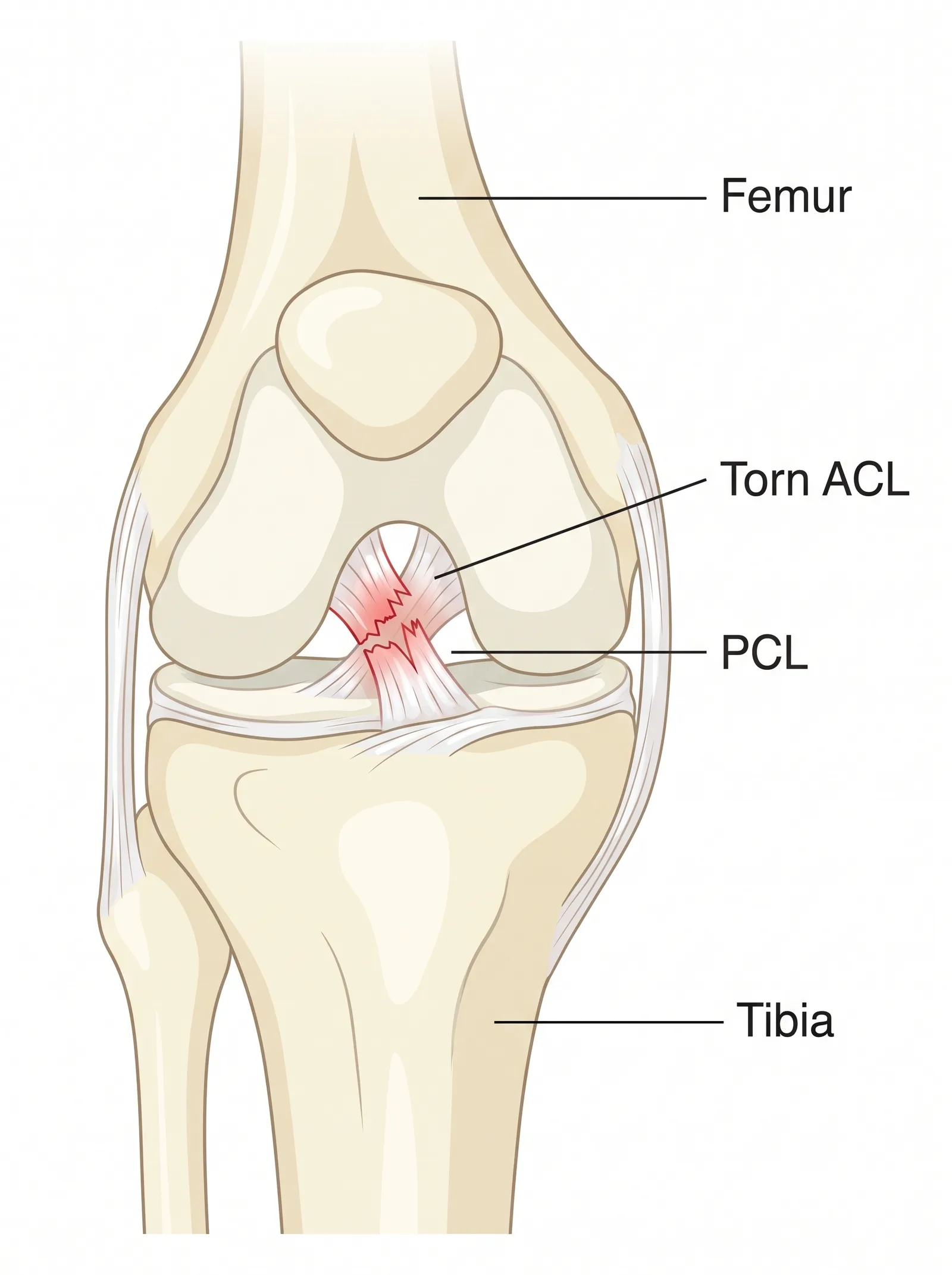
ACL reconstruction is surgery to rebuild the anterior cruciate ligament, one of the strong bands that hold the knee together.
The ACL runs diagonally through the center of the knee and keeps the shinbone from sliding too far forward and from twisting out of place. When it tears, often during a sudden stop, pivot, or awkward landing, the knee can feel unstable, as if it might buckle.
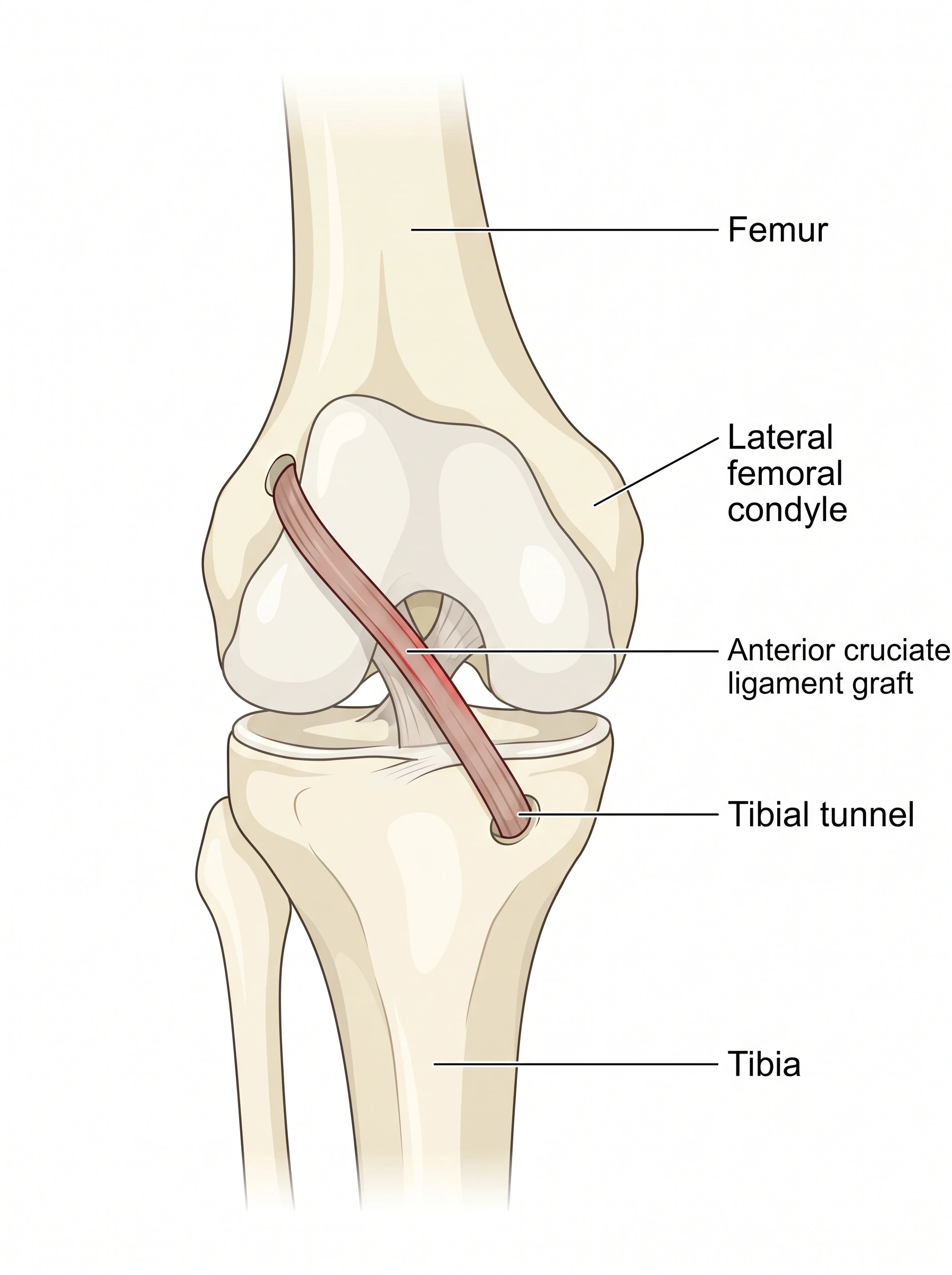
A torn ACL does not usually heal back together on its own. Instead of stitching the old ligament, the surgeon replaces it with a graft, a new piece of tissue that takes its place. The graft may come from your own body, such as a tendon near the knee, or from a donor. Over time, the body builds a new blood supply into the graft and it becomes a working ligament.
This is a deep-education page. For a shorter overview, see our ACL Reconstruction service page, which links back here.
What are the symptoms of ACL Reconstruction, and when should you see a specialist?
An ACL tear often announces itself at the moment of injury.
Common signs include the following.
- A pop felt or heard at the time of injury. - Rapid swelling within hours. - A feeling that the knee is loose or gives way, especially when turning. - Pain and trouble bearing full weight at first. - Later, a knee that feels unreliable during sports or quick direction changes.
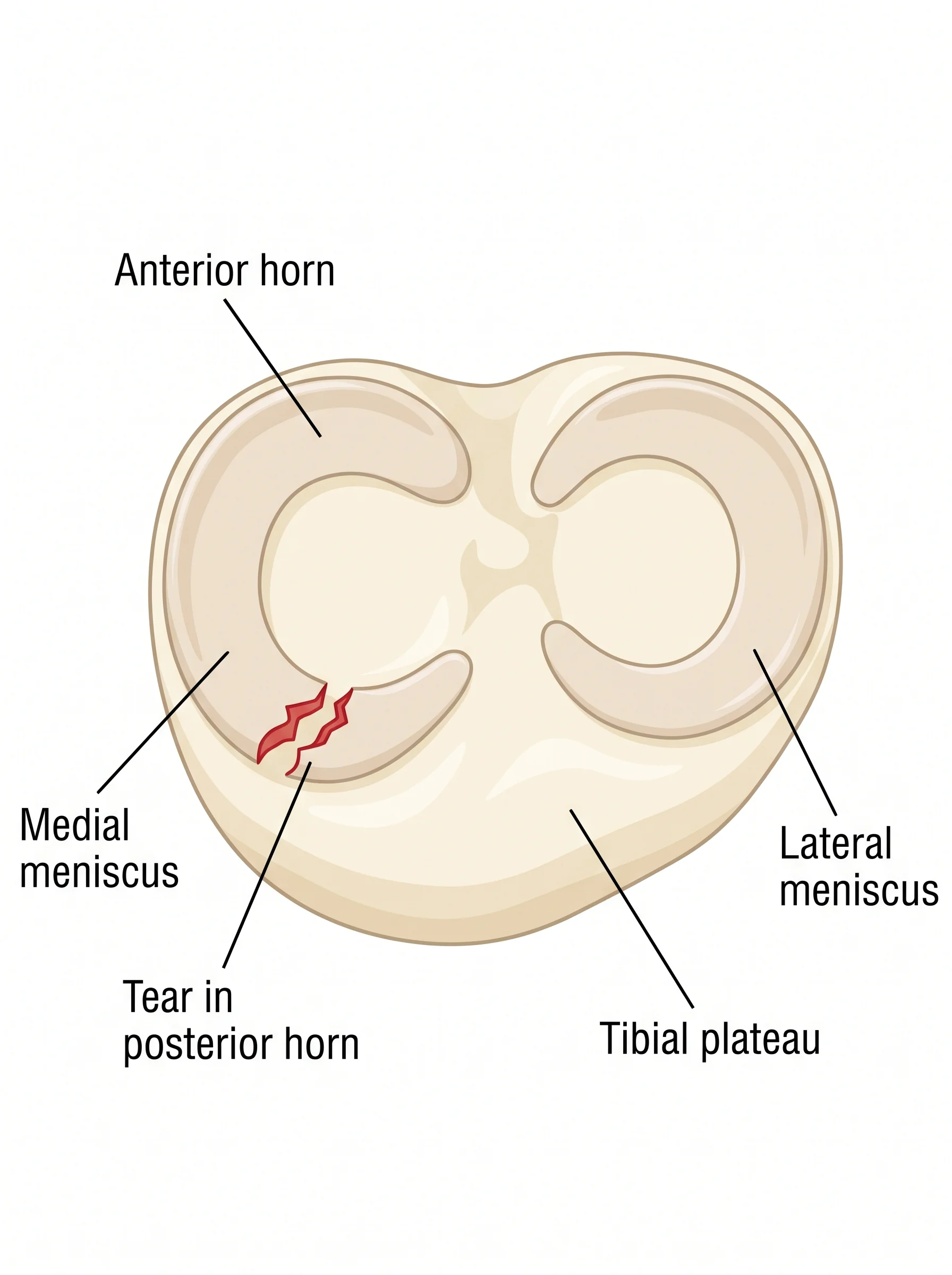
See a specialist promptly after a knee injury with a pop and swelling, or when the knee keeps giving way. An orthopedic surgeon can confirm whether the ACL is torn and whether other structures, such as the meniscus, are involved. Not every ACL tear needs surgery, so an early evaluation helps you choose well.
How is ACL Reconstruction diagnosed, and what does the visit involve?
The surgeon asks how the injury happened, since the mechanism points strongly to the ACL.
During the exam, specific tests gently check whether the shinbone shifts forward more than it should, which suggests the ligament is torn.
X-rays check for bone injury. An MRI (a soft-tissue scan) is usually ordered because it shows the ACL clearly and reveals any meniscus or cartilage damage that came with it. The surgeon combines the story, the exam, and imaging to confirm the tear and plan treatment. Your goals, such as returning to a pivoting sport, are part of that plan.
What happens during ACL Reconstruction, step by step?
ACL reconstruction is done arthroscopically, meaning through small openings with a camera.
The usual sequence is the following.
- Anesthesia. An anesthesiologist gives you medicine so you feel nothing, general anesthesia or a regional block, often combined. - Graft preparation. If your own tissue is used, the surgeon takes and prepares the graft. If a donor graft is used, it is prepared instead. - Camera and inspection. The arthroscope goes in through small cuts so the surgeon can see the torn ligament and check the meniscus and cartilage. - Removing the torn ligament. The remnants of the old ACL are cleared. - Creating tunnels. The surgeon drills small tunnels in the thighbone and shinbone to anchor the graft where the ACL naturally sits. - Placing the graft. The graft is passed through the tunnels and fixed in place so it holds the knee steady. - Closing. The surgeon confirms the knee is stable and closes the small cuts.
The surgery commonly takes one to two hours, though your time may differ.
What is the recovery timeline for ACL Reconstruction?
ACL recovery is a long, staged process, and milestones matter far more than the calendar.
Rushing back before the knee is ready raises the risk of re-injury. The ranges below reflect general AAOS guidance, 2023. These are ranges, not promises.
First weeks. The milestone is regaining full straightening, reducing swelling, and walking with control. A brace and crutches may be used early.
Six weeks to three months. The milestone is normal walking, good motion, and steady strengthening in therapy. Everyday activities return during this stretch.
Three to six months. The milestone is running, agility work, and sport-specific drills, added only when strength and control meet targets your therapist measures.
Nine months to a year or more. The milestone is returning to cutting and pivoting sports, cleared by testing of strength and stability, not the calendar alone. General AAOS guidance, 2023, notes that a return to full sport commonly takes around nine to twelve months, but this is a range, not a promise.
Physical therapy is the heart of ACL recovery. The graft provides the structure, and rehab provides the strength and control.
Read the full guide to preparing for surgery →
Your own recovery instructions come from the office and are specific to you. This page describes the general course, not a plan to follow.
How should you prepare for ACL Reconstruction?
A little preparation makes the visit more useful.
- Prehab. Many surgeons recommend physical therapy before surgery to reduce swelling and regain motion, which can help recovery afterward. - Home setup. Set up a rest area with leg elevation and ice. Clear walking paths and prepare for crutches. - Transportation. Arrange rides, since you cannot drive after surgery for a while. - Time off. Plan for time away from work based on your job, longer for physical work. - Who to have available. Have someone with you the first days. - Pre-surgery health. Share your medicine list and follow any pausing instructions.
Which warning signs should you call about?
Call the office if you notice the following.
- Fever, or redness, warmth, or drainage at an incision, which can signal infection. - Calf pain or new leg swelling, which can signal a blood clot. - Sudden chest pain or trouble breathing. Call 911. - Swelling or pain that keeps worsening. - A sudden loss of motion or a new giving-way of the knee.
When unsure, call the office. For emergencies, call 911.
What results can you expect from ACL Reconstruction?
According to general AAOS guidance, 2023, most people who complete a full rehabilitation program after ACL reconstruction regain a stable knee and return to activity.
Research summarized by AAOS, 2023, reports that a large share of athletes return to sport, though not everyone returns to the exact same level, and there is a real rate of re-injury to either knee. These figures describe groups, not promises about any one person.
The single largest factor within your control is completing rehabilitation. The office can explain what the evidence means for your goals.
What do patients ask most?
Do I have to have surgery for an ACL tear?+
Where does the graft come from?+
When can I return to sports?+
How do I handle insurance and cost questions?+
Will my knee be as good as before?+
What are the treatment options?
- 01Physical therapybuilds strength in the muscles around the knee, which can help some people stay stable for daily life and low-pivot activity.
- 02Activity changestoward straight-line activities can reduce episodes of giving way.
- 03Bracingmay support the knee during certain activities.
Fellowship trained at Massachusetts General Hospital (Harvard Shoulder Service); Uniklinik Balgrist, Zurich, Switzerland (The Harvard Intercontinental Shoulder Fellowship). Sees patients in West Palm Beach.
About Dr. Simovitch →