Hand wrist
Hand conditions and procedures, each explained in plain language, from the first visit through recovery.

Hand procedures
When non-surgical care is not enough, these are the procedures Dr. Simovitch performs. Each page covers who it is for, how it is done, and what recovery generally looks like.
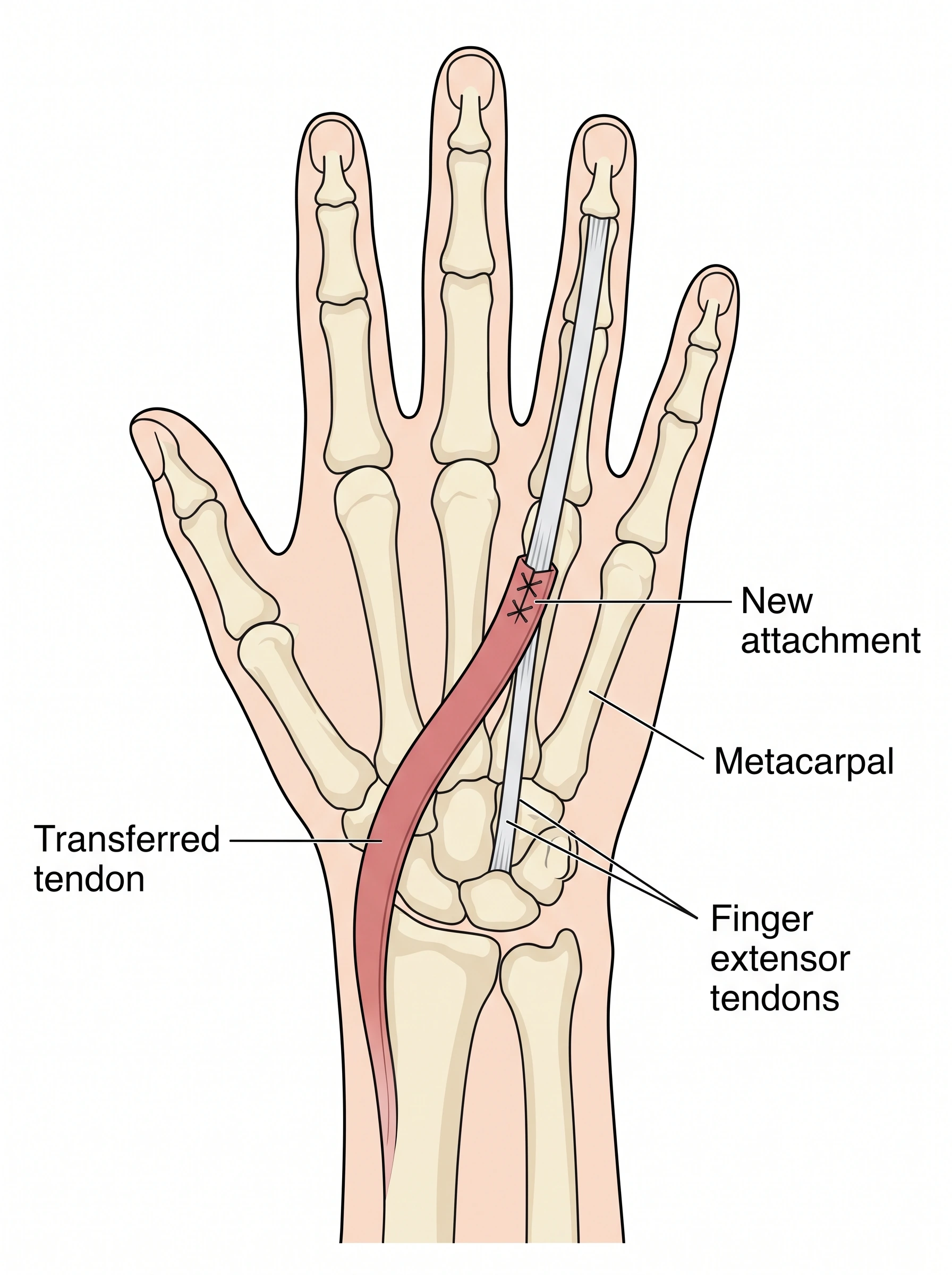
What does this area do?
The wrist connects the forearm to the hand and is made of two forearm bones and a group of small bones called the carpals.
The hand contains the long bones of the palm and the finger bones. Together they allow fine, precise movement.
Tendons connect muscles in the forearm to the fingers and thumb, so you can bend and straighten them. Ligaments hold the many small bones together. Nerves carry signals for feeling and movement. One of these, the median nerve, passes through a narrow space in the wrist called the carpal tunnel. When these parts work together, you can grip, pinch, and perform detailed tasks.
Which problems are commonly seen in this area?
Hand and wrist problems often come from overuse, aging tissue, or an injury.
Common ones include the following.
- Carpal tunnel syndrome, numbness and tingling from a pinched nerve in the wrist. See the carpal tunnel page.
- Wrist tendon irritation, such as pain along the thumb side of the wrist. See the wrist tendinitis page.
- Trigger finger, when a finger catches or locks as it bends. See the trigger finger page.
- Thumb arthritis, a gradual wearing of cartilage at the base of the thumb. See the thumb arthritis page.
- Wrist fractures, often after a fall onto an outstretched hand. See the wrist fracture page.
How are problems here evaluated?
A hand and wrist visit usually begins with questions about your symptoms and the tasks that bring them on.
The physician then examines the hand and wrist, checking motion, strength, tenderness, and sensation. Certain gentle tests can point to a pinched nerve or an irritated tendon.
Imaging or nerve testing may follow. An X-ray shows bone and can reveal arthritis or a fracture. A nerve conduction study measures how well signals travel through a nerve, which helps confirm a problem like carpal tunnel syndrome. An MRI or ultrasound is sometimes used to view soft tissues. The physician chooses testing based on the exam.
What is the treatment approach?
Most hand and wrist problems are treated without surgery first.
Conservative care means treatment that does not involve an operation. This can include rest, splints or braces, activity changes, hand therapy to restore motion and strength, and medicines that reduce pain and swelling. An injection may help some conditions, such as trigger finger or thumb arthritis.
If symptoms continue after a fair trial of conservative care, or if a nerve problem affects strength, the physician may discuss a procedure. Surgery is considered when the problem limits daily life and simpler steps have not brought enough relief.
Recovery time depends on the problem and treatment. According to general guidance from the American Society for Surgery of the Hand, recovery from mild tendon irritation often takes a few weeks, while recovery from hand or wrist surgery can take several weeks to months. These are ranges, not promises. Your own path depends on your health and how your body heals.
Which warning signs should you call about?
Consider seeing an orthopedic or hand specialist if hand or wrist pain lasts more than a few weeks, if you have numbness or tingling in the fingers, if a finger catches or locks, or if you cannot use the hand after an injury.
A specialist is a physician who focuses on the bones, joints, tendons, and nerves of the hand and wrist.
Which conditions and procedures does this practice treat here?
This practice treats carpal tunnel syndrome, Wrist tendon irritation, Trigger finger, Thumb arthritis, Wrist fractures, Carpal tunnel release, a procedure that relieves pressure on the nerve, and Hand and wrist surgery when conservative care has not brought enough relief in this area.
Hand questions
What causes numbness and tingling in my fingers?+
Do I need surgery for carpal tunnel syndrome?+
Will my insurance cover my visit or procedure?+
Talk to Dr. Simovitch about your hand
Call the office or request an appointment. Accepting new patients.