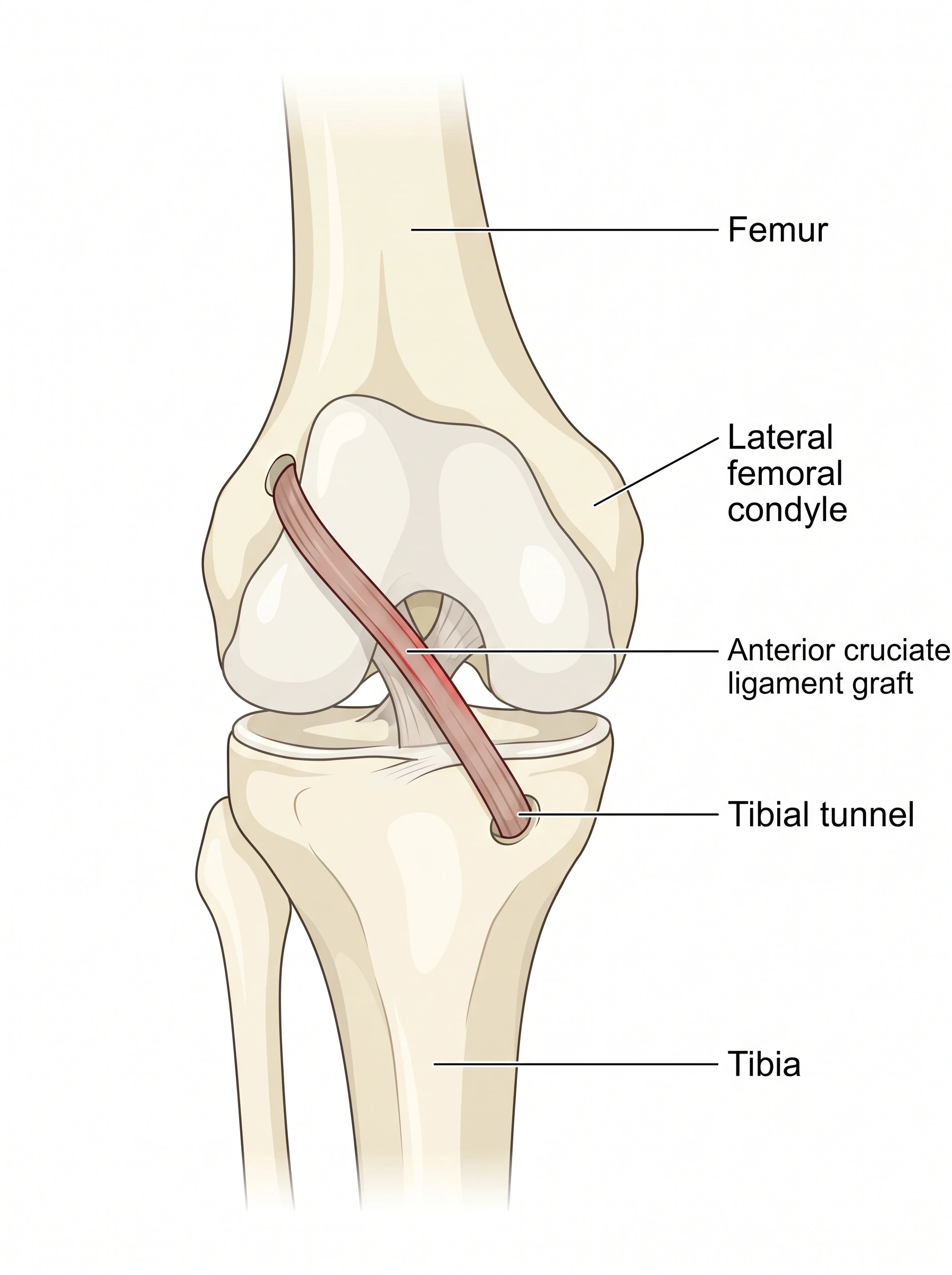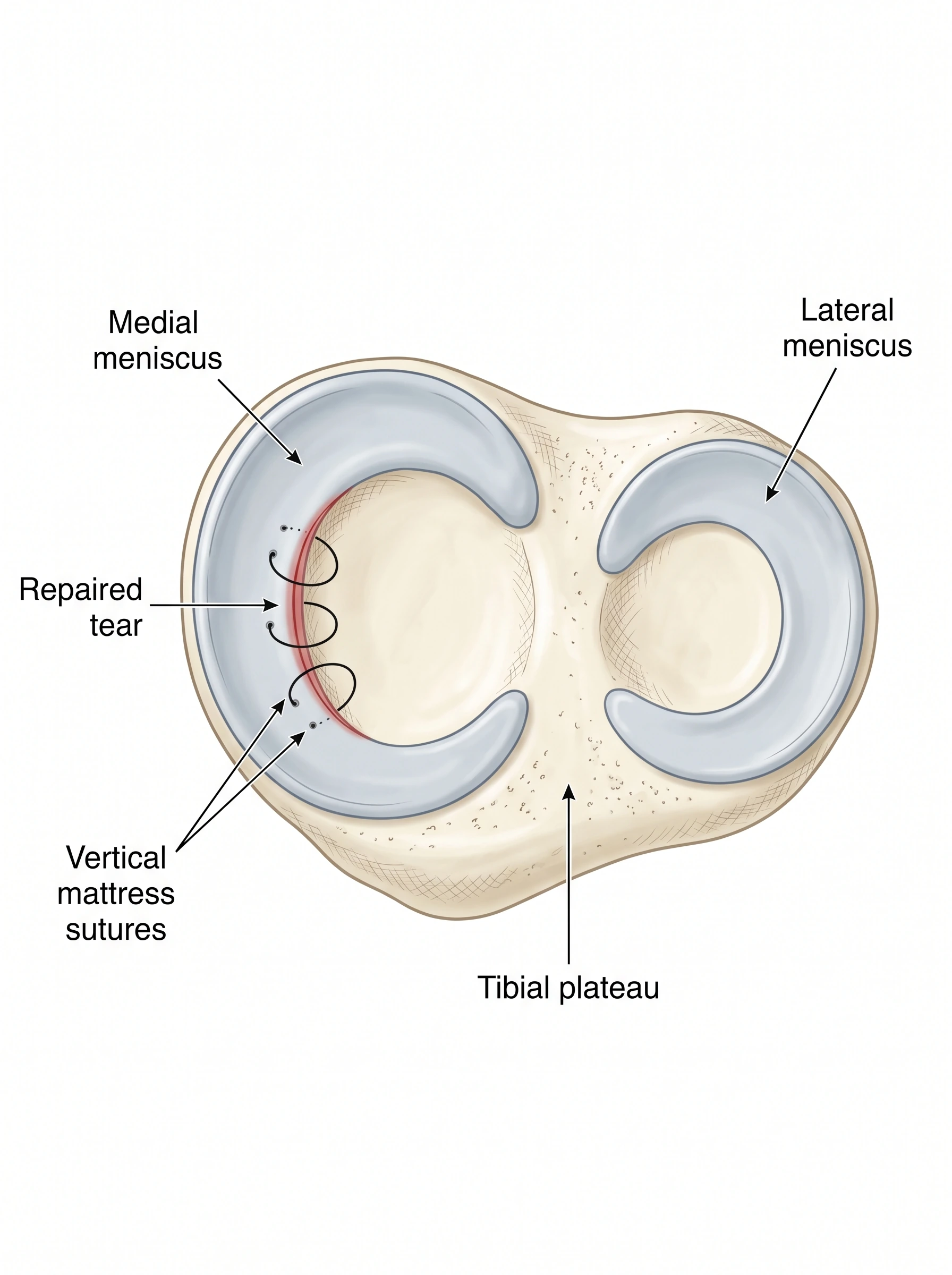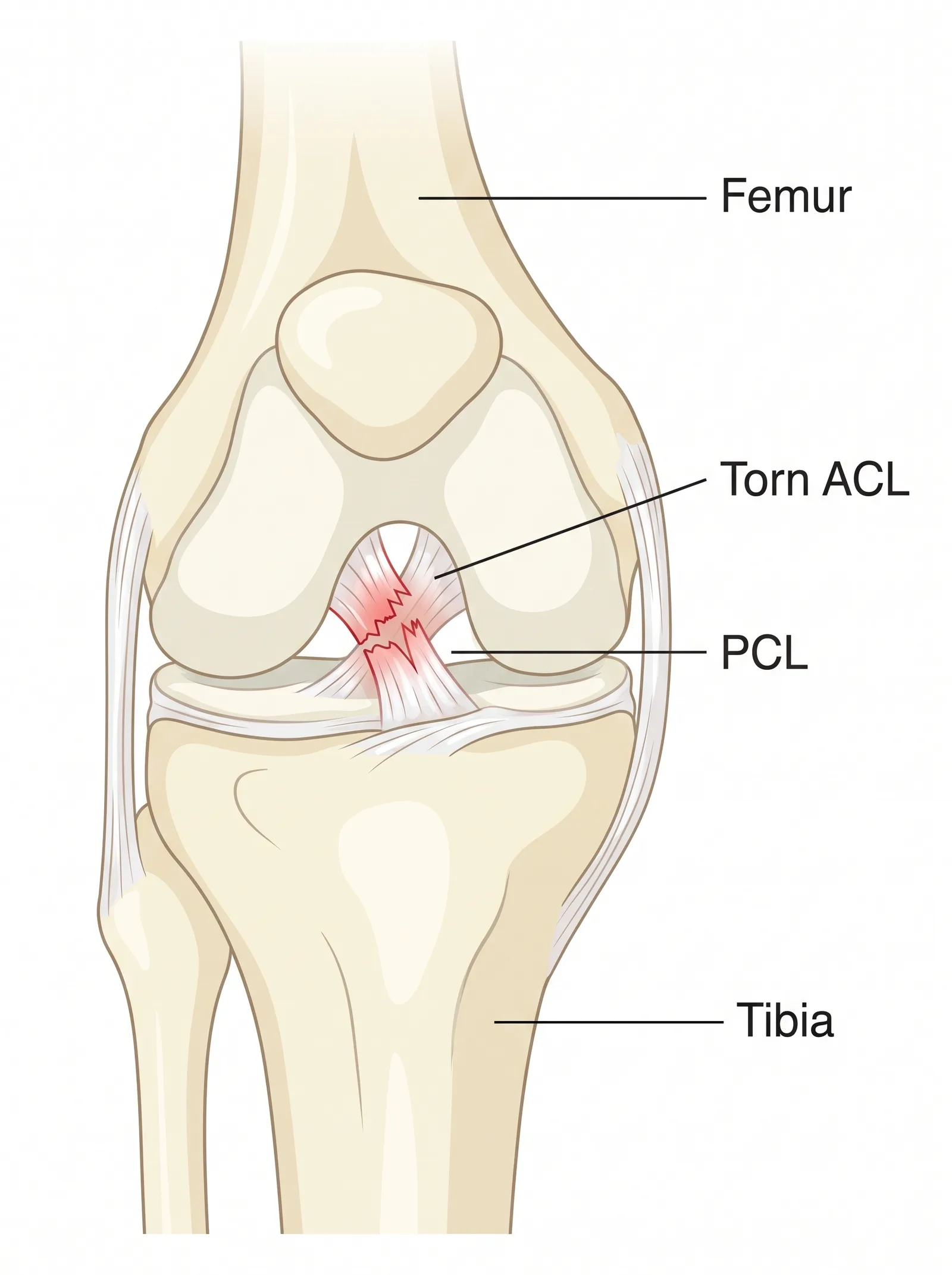
The ACL is a ligament deep in the knee that keeps the joint stable during pivots and cuts. A tear often happens in a sudden twist and can make the knee feel unstable. Treatment ranges from guided rehabilitation to surgical reconstruction, chosen to fit your goals, activity, and the knee itself.
Ryan Simovitch diagnoses and treats acl tear in West Palm Beach, from the first visit through recovery.
What is ACL Tear?
The anterior cruciate ligament, or ACL, is one of the strong bands deep inside the knee that hold the joint together.
A ligament connects bone to bone. The ACL runs across the center of the knee and keeps the shin bone from sliding too far forward on the thigh bone, and it helps control rotation. It is a key stabilizer during cutting, pivoting, and landing.
An ACL tear is a stretch or rupture of this ligament. Most tears are complete, meaning the ligament is torn all the way through, though partial tears occur. The classic injury is a sudden change of direction, a hard landing, or a twist with the foot planted, often in sports such as soccer, basketball, or skiing. Many people feel or hear a pop, followed by swelling within hours and a sense that the knee is loose.
The ACL has a poor blood supply and does not heal back together on its own the way some tissues do. That is why a torn ACL, unlike a strained muscle, generally does not simply mend with rest. What happens next depends on your symptoms, your activities, and whether the knee feels stable in daily life.
ACL injuries often travel with other damage. A twist that tears the ACL can also injure the meniscus, the knee's cushion, or other ligaments and cartilage. The specialist checks the whole knee, because these companion injuries influence the plan.
An important point of reassurance: an ACL tear is a well-understood injury with clear, effective paths forward. Many people return to full activity, including sport, though the road takes time and commitment.
This deep guide pairs with the shorter ACL tear service page at the office of Ryan Simovitch. Begin there for a quick overview, then use this page for depth.
What are the symptoms of ACL Tear, and when should you see a specialist?
An ACL tear often announces itself and then settles into a pattern.
Common experiences include the following.
- A pop or snap felt in the knee at the moment of injury. - Rapid swelling, usually within a few hours. - A feeling that the knee is loose, unstable, or "not trustworthy." - Pain that limits weight bearing at first. - The knee giving way, especially when trying to pivot, cut, or change direction. - Trouble fully straightening or bending the knee early on due to swelling.
After the first swelling settles, some people can walk in a straight line reasonably well, but the knee buckles with twisting or on uneven ground. This instability, more than pain, is often what drives treatment decisions.
It is reasonable to see a specialist:
- Soon after any knee injury with a pop and rapid swelling. - If the knee feels unstable or gives way during normal activity. - If you cannot fully straighten or bend the knee. - If you play sports or have a job that involves pivoting and cutting. - If symptoms are not improving over the first week or two.
Seek prompt care if you cannot bear weight, if the knee is locked, or if there is significant deformity, since these may point to additional injuries needing earlier attention.
How is ACL Tear diagnosed, and what does the visit involve?
Diagnosing an ACL tear relies on your history, a specific set of exam tests, and imaging.
Your visit typically includes:
- A history. Exactly how the injury happened, whether you felt a pop, how fast the knee swelled, and whether it has given way since. - A physical exam. The specialist gently tests how far the shin bone moves relative to the thigh bone using established maneuvers. A ligament that no longer restrains this movement points to a tear. The exam also checks the meniscus, other ligaments, and range of motion. - X-rays. These show the bones and can reveal certain fractures that occur alongside ACL tears, though they do not show the ligament itself. - MRI. This magnet-based scan shows the ACL and surrounding soft tissues clearly. It confirms the tear and, importantly, reveals companion injuries to the meniscus or cartilage that shape the plan.
The exam alone is often quite telling, and the MRI confirms the diagnosis and maps out any additional damage. The specialist combines all of this with your activity level and goals, because the right path for a competitive athlete may differ from the right path for someone whose knee feels stable in daily life.
What does treatment for ACL Tear involve?
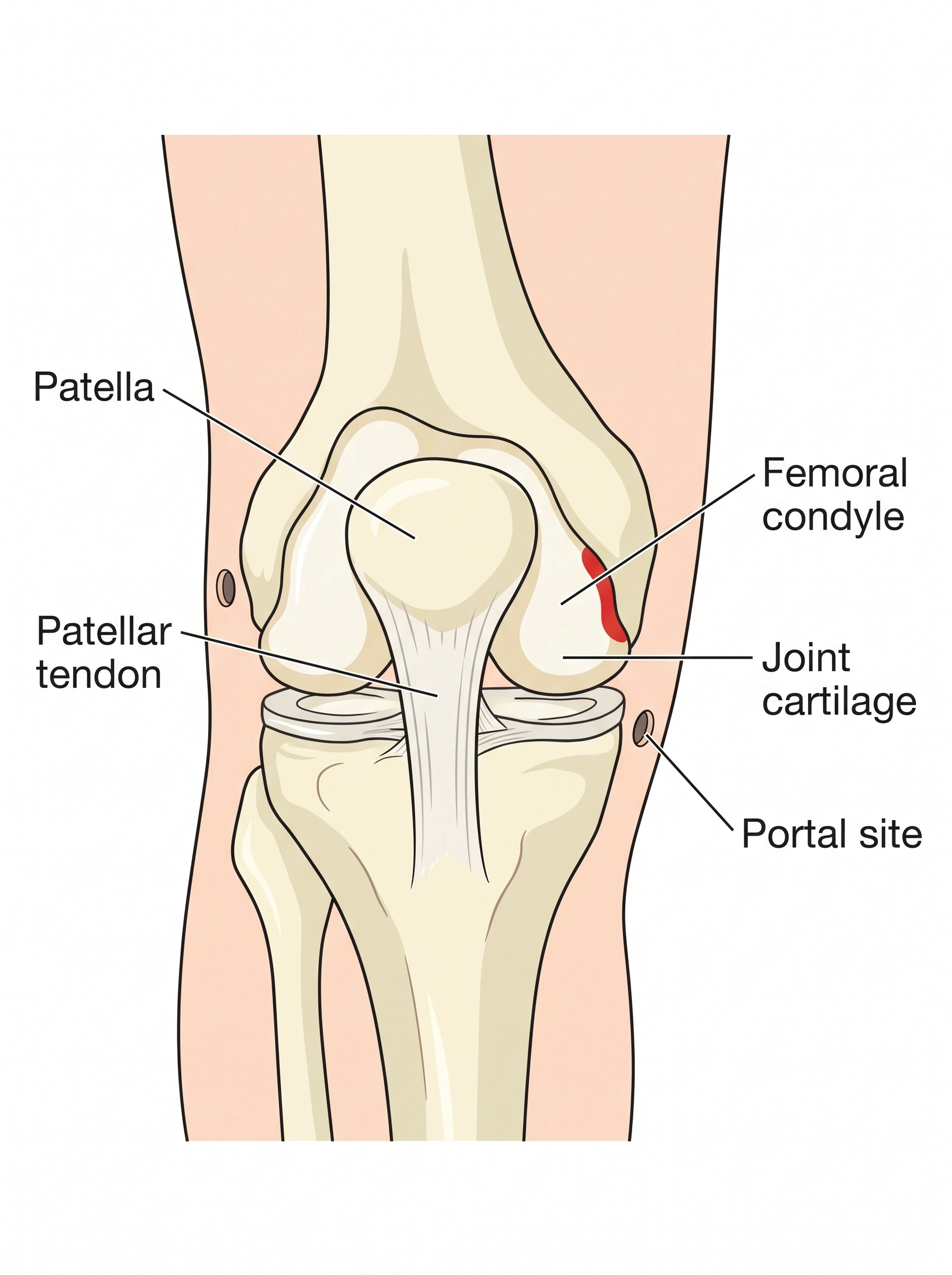
When ACL reconstruction is chosen, it is done arthroscopically, using a small camera and thin instruments through tiny incisions, along with a graft to replace the ligament.
In sequence, a typical procedure involves the following.
- Anesthesia, given so you feel no pain during surgery. The type and any nerve block are discussed with the anesthesia team. - Graft preparation. The new ligament comes from a graft, which may be one of your own tendons, taken through a small incision, or donor tissue. The choice is discussed with you beforehand, weighing the options for your situation. - Inspection. The surgeon views the joint on a screen and addresses companion injuries, such as repairing or trimming a torn meniscus. - Removing the torn ligament and preparing the sites where the new graft will attach. - Placing tunnels. Small tunnels are made in the thigh and shin bones to position the graft where the original ligament sat. - Fixing the graft. The graft is passed through the tunnels and secured, so it can serve as the new ACL while it heals into place. - Closure of the small incisions.
Most people go home the same day. The graft is strong at the start but goes through a healing process over months as the body integrates it, which is why the rehabilitation timeline is deliberate and staged.
What is the recovery timeline for ACL Tear?
ACL recovery is a staged process guided by what you can do, not the calendar alone.
The milestones below sit alongside typical ranges from general guidance from the American Academy of Orthopaedic Surgeons. These are ranges, not promises.
Early stage, first weeks. The goal is to reduce swelling, regain a fully straight knee, and walk with a normal gait. The milestone is full extension, minimal swelling, and comfortable walking, often over the first few weeks.
Strength and motion, roughly weeks six to twelve. The goal is full range of motion and rebuilding thigh and hip strength. The milestone is climbing stairs comfortably, a smooth gait, and strength returning toward the other leg.
Return to running and agility, several months. The goal is jogging, then agility work, once strength and control meet set targets. The milestone is not a date but measured strength and stability compared with the uninjured leg.
Return to pivoting sport. General guidance from the American Academy of Orthopaedic Surgeons notes that returning to cutting and pivoting sports commonly takes around nine to twelve months, and sometimes longer. The milestone is passing your care team's strength, control, and confidence tests, not simply reaching a certain month.
Returning too early raises the risk of re-injury, which is why criteria matter more than the calendar. Progress is steady work, and the staged plan is designed to protect the graft while it matures.
How should you prepare for ACL Tear?
If you choose reconstruction, planning ahead makes recovery smoother.
Most reconstructions are same-day surgery.
Prehabilitation. Before surgery, work to get the knee fully straight, reduce swelling, and keep the thigh muscles as strong as possible. Entering surgery with a calm, mobile knee is linked to a smoother recovery.
Home setup. Arrange a comfortable resting spot with room to elevate the leg, clear walkways, and keep daily items within easy reach. Set up a space where you can do your early exercises.
Transportation. Plan for someone to drive you home after anesthesia and to early follow-up visits.
Time off. Discuss time away from work or school based on your job and your graft and rehabilitation plan. Physical work needs more time than desk work.
Support at hand. Have someone available for the first day or two to help at home, especially while you use crutches and a brace.
Equipment. Have crutches, any prescribed brace, and ice therapy ready before surgery.
Health preparation. Follow instructions on eating, drinking, and medications, and tell the team about everything you take. The office can answer insurance questions directly.
Which warning signs should you call about?
During recovery, call the office if you notice the following.
- Increasing redness, warmth, or drainage from an incision, or a fever. These can signal infection. - Swelling or pain that worsens instead of improving. - Calf pain, swelling, warmth, or tenderness, which should be checked promptly. - A cold, pale, numb, or tingling foot. - The knee locking or losing motion you had regained. - Pain not controlled by the plan you were given.
For severe symptoms such as sudden chest pain, trouble breathing, or a large, hot, swollen leg, seek emergency care right away. For other questions, call the office of Ryan Simovitch at ; the team is glad to help you sort out what is normal and what needs a look.
What results can you expect from ACL Tear?
People rightly want to know what results to expect.
Results vary with the person, the graft, companion injuries, and rehabilitation, and the figures below are ranges, not promises.
According to general guidance from the American Academy of Orthopaedic Surgeons, ACL reconstruction restores stability for most people and allows the majority to return to their prior activities, including sport, when rehabilitation is completed.
General guidance from the American Academy of Orthopaedic Surgeons also notes that return to cutting and pivoting sports commonly takes around nine to twelve months, and that returning before strength and control targets are met raises the risk of re-injury.
For non-surgical management, general guidance from the American Academy of Orthopaedic Surgeons notes that some people, particularly those with stable knees and lower-demand activities, do well with a structured rehabilitation program without surgery.
The overall message is encouraging: whether managed with rehabilitation or reconstruction, most people reach a stable, functional knee, and many athletes return to sport. Your path depends on your knee and your goals, which the specialist will discuss with you.
What do patients ask most?
Does an ACL tear always need surgery?+
Can a torn ACL heal on its own?+
Where does the graft come from?+
How long until I can play sports again?+
Will my knee be exactly like it was before?+
What are the treatment options?
- 01Early careIn the first days, the aim is to reduce swelling, regain a straight knee, and walk comfortably. Rest, ice, elevation, and gentle motion exercises help. A brace and crutches may be used briefly.
- 02Guided rehabilitationA structured physical therapy program, led by a clinician who teaches targeted exercises, restores motion, rebuilds thigh and hip strength, and retrains balance and control. For some people, especially those with stable knees in daily life and lower-demand activities, a well-designed rehabilitation program allows a return to the activities they want without surgery. This is a legitimate path, not a lesser one, when it fits the person.
- 03Bracing and activity choicesSome people manage well by avoiding high-risk pivoting sports and using a brace for certain activities. Whether this works depends on how stable the knee feels and what you want to do.
- 04When surgery is consideredReconstruction is often recommended for people who want to return to pivoting sports, whose knee gives way in daily life despite rehabilitation, or who have certain companion injuries such as a repairable meniscus tear. Reconstruction rebuilds the ligament using a graft, a piece of tendon that replaces the torn ACL. Even then, a period of prehabilitation, meaning rehabilitation before surgery to restore motion and strength, improves the result.
Fellowship trained at Massachusetts General Hospital (Harvard Shoulder Service); Uniklinik Balgrist, Zurich, Switzerland (The Harvard Intercontinental Shoulder Fellowship). Sees patients in West Palm Beach.
About Dr. Simovitch →